
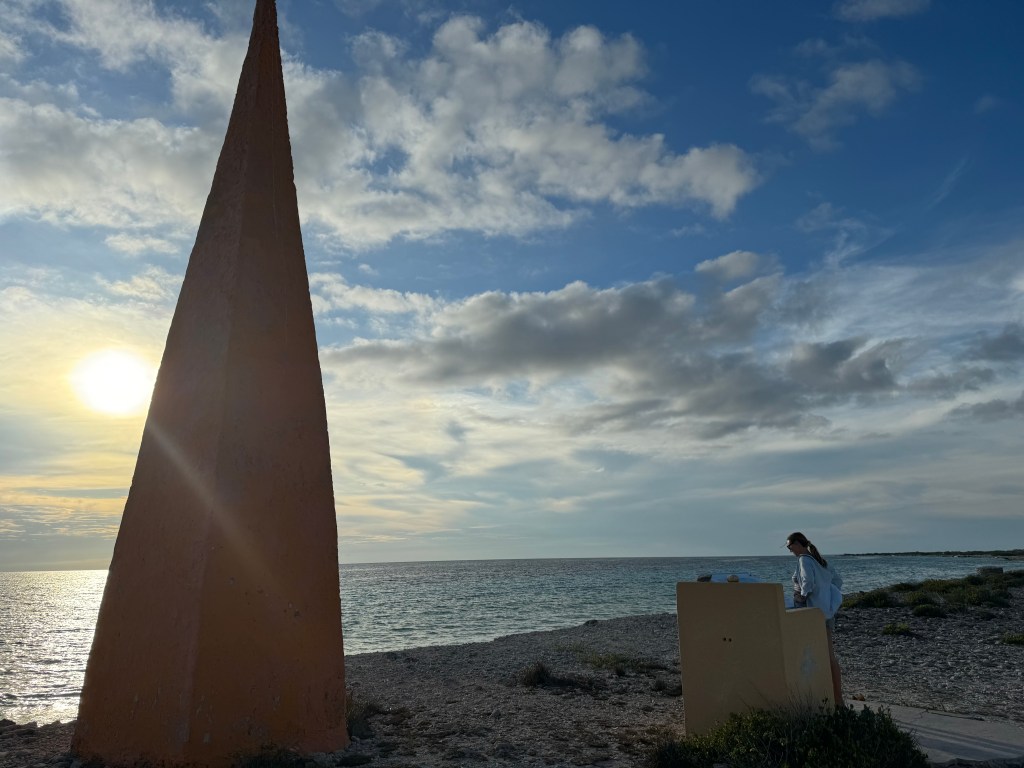
Sailing to Bonaire from Curacao and experiencing a sister island was a treat for us. Curacao has a crowded anchorage where every boat is required to spend most of their time- Spanish Waters Anchorage, and the water is coffee colored and has a distinct smell. There is a small dinghy dock that is often completely full, and while locals aren’t completely hostile to people who live on their boats, they do seem to have a neutral to negative vibe.
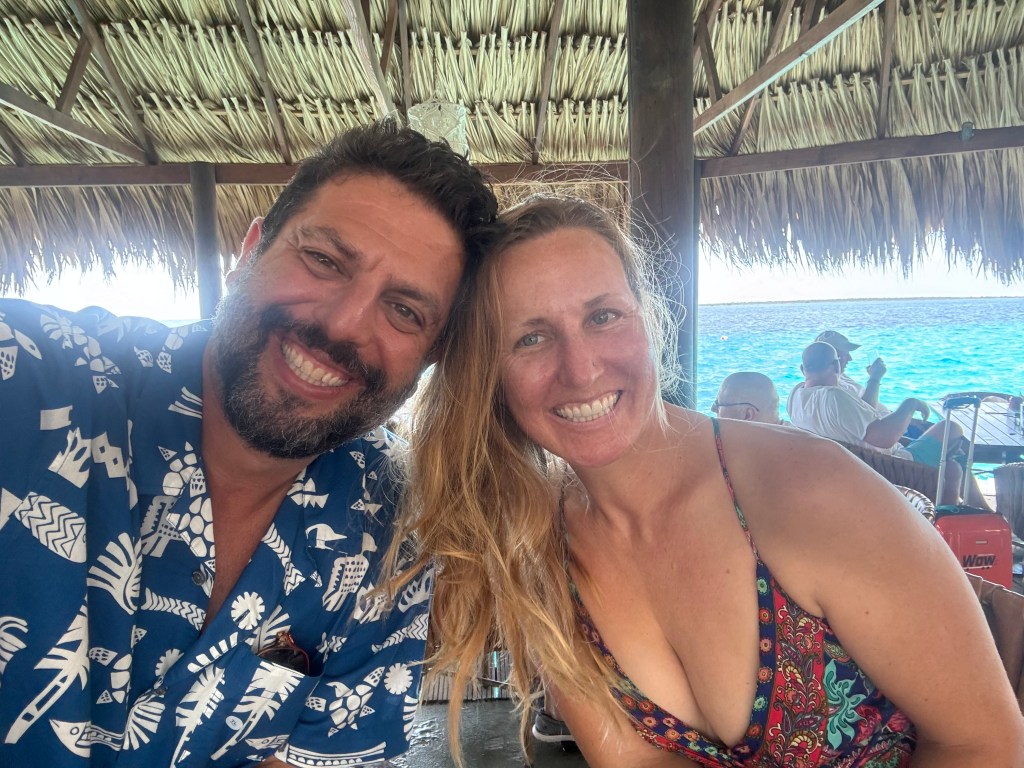
Bonaire made some changes recently that decreased the amount of “yachties” who visit the island. They began to charge a $75 USD per person annual tourism fee (payable online and receipt with a QR code), that is required upon entry, and expires when you leave- so if you return in a few weeks, you’ll have to pay it again. There is also a $40 USD per person ocean use tax, that counts toward admission to the national park. Finally, anchoring is not permitted in Bonaire, and use of the (well maintained) moorings is required. The cost per night of the moorings is $35 USD. This is enforced daily, as the harbor masters cruise the mooring field and check off the boats that are paid up and those that are due every day, twice a day.
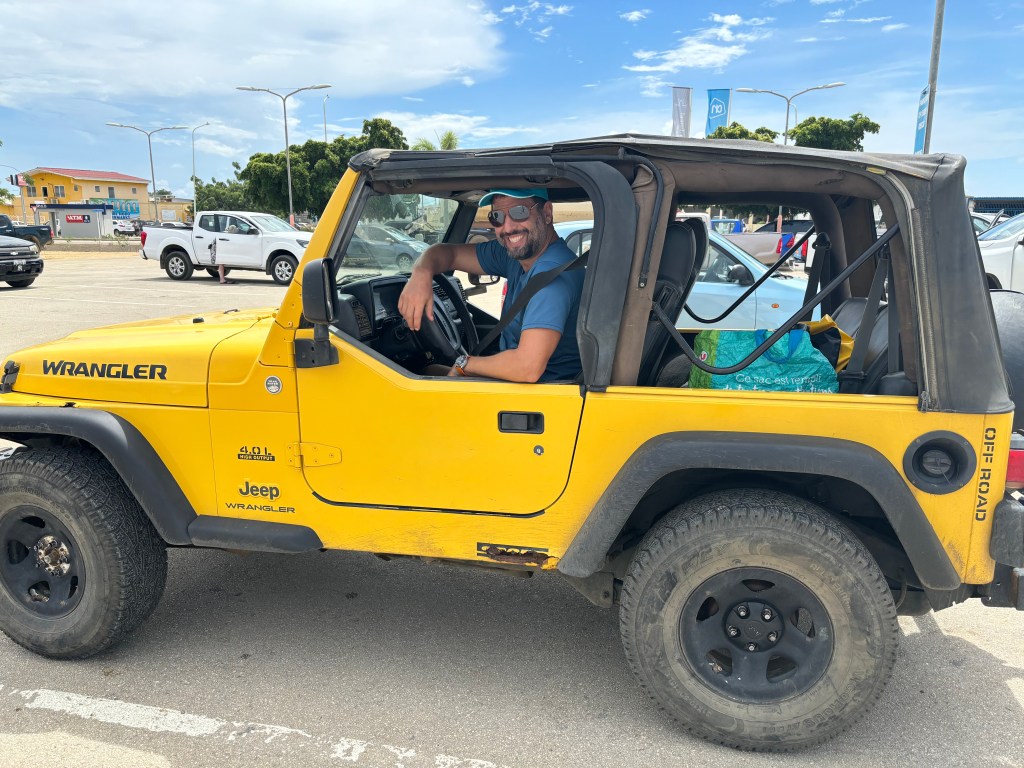
Bonaire has been the most expensive island we have visited on our boat thusly, as far as fees go. We found the cost of food and drinks to be comparable to Curacao, and car rental costs to be more expensive- for much, much worse cars. The first car we rented only had one working brake, and we did end up having to pay for a flat tire that the second car incurred.
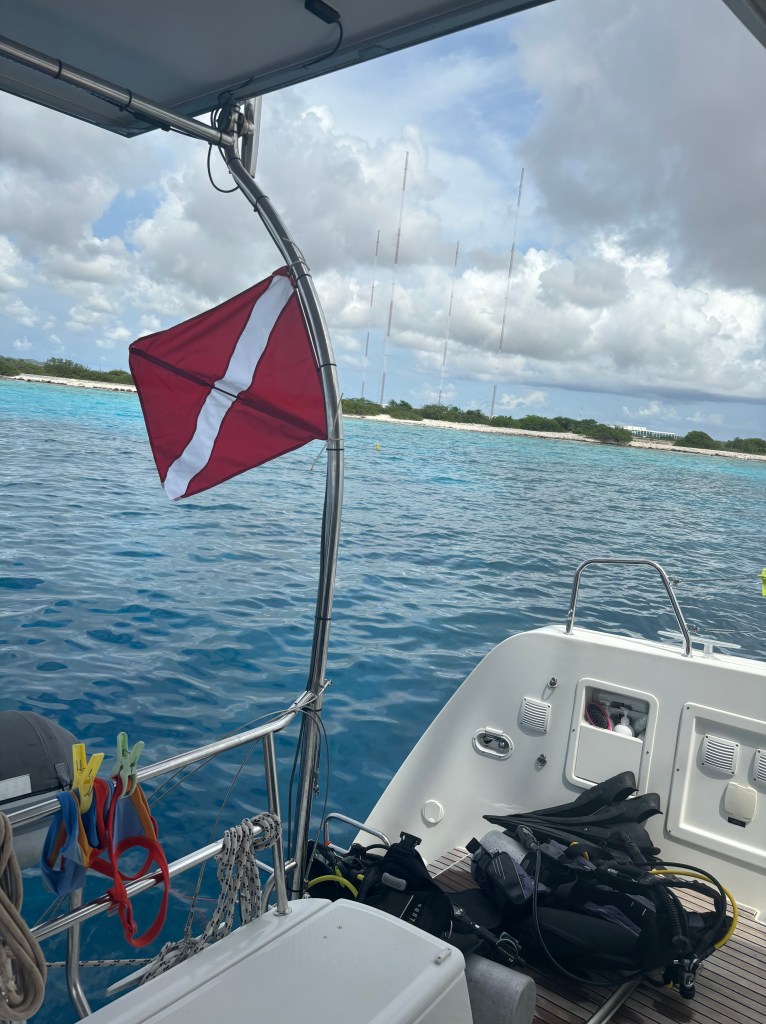
But all the fees aside, Bonaire is a gorgeous place to visit. The reef is in the best shape of many islands we have visited. Water quality is fantastic- we woke up every morning to clear blue waters and could see the reef activity happening under our boat. We were able to use our water maker because there wasn’t an overabundance of algae to block our filters. We swam every morning and afternoon, snorkeled and scuba dived off the boat. Dive moorings are well cared for and marked on the maps, and we took our big boat to many of them for a few hours to dive the sites we couldn’t swim to from our overnight mooring.
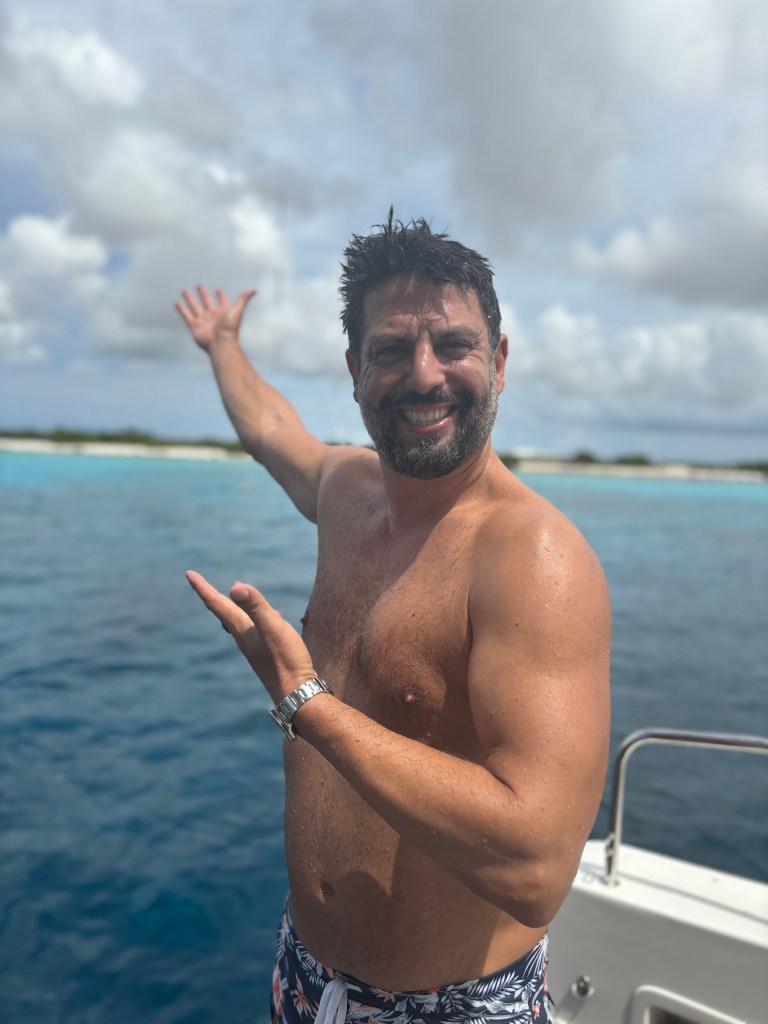
Bonaire has recycling, which delighted us, multiple grocery stores with great food options, and although the roads can be loud (Caribbean loves street racing, and Harleys have found a home in Bonaire), they weren’t overly crowded or fast during the day. We enjoyed the local wildlife (donkeys, flamingos, dogs, birds) and found the people on land friendly and helpful. While driving around we stopped at a local cultural event where they let us enter for free, and Paul and I spent half an hour reading about Bonaire in a local museum, and seeing the dances and foods we read about.
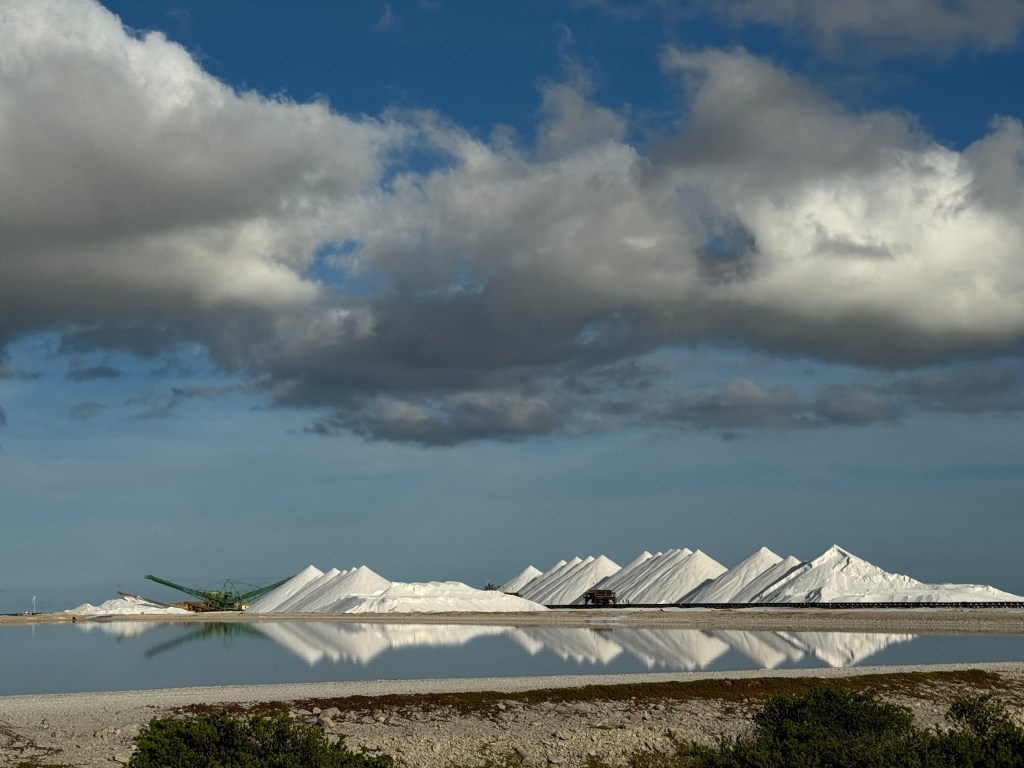
The cruiser community is a bit small, and not very cohesive. I get the feeling that there used to be a lot more boats there before the fee changes came into effect, but although it was cost prohibitive for us to stay too long, I really did appreciate the excellent condition of the island. 10/10 we liked Bonaire- it felt like a small vacation from Curacao, and especially the state of the water in Spanish Waters.
Our highlights:
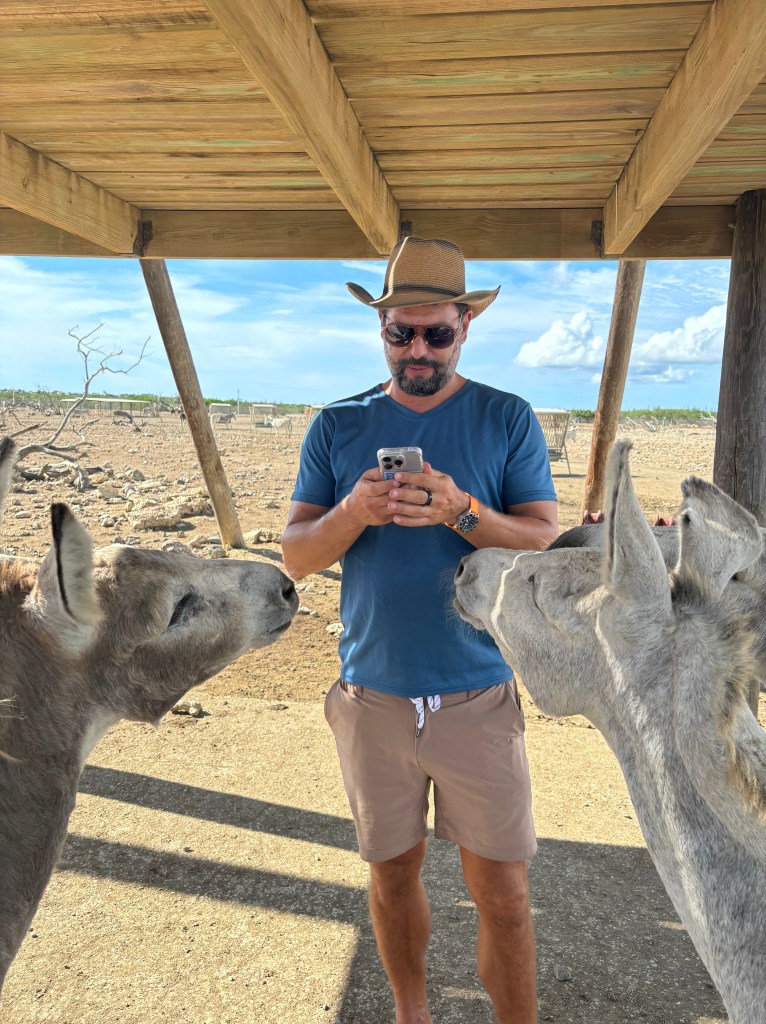
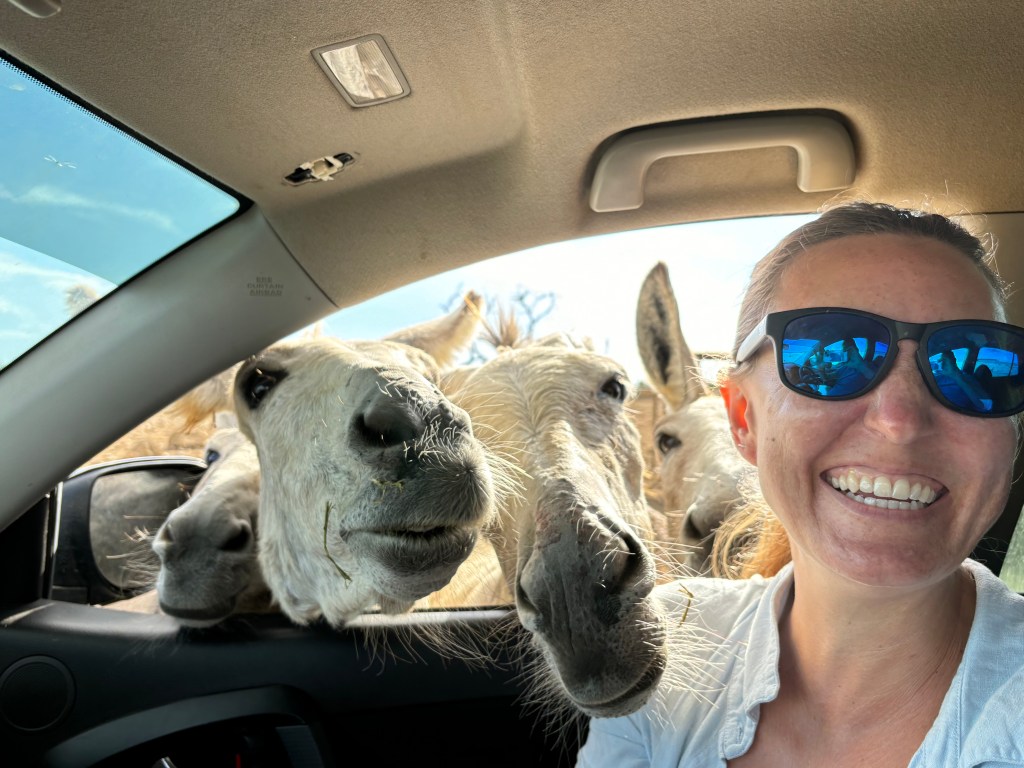
- The Donkey Sanctuary. I would highly recommend a visit here if you rent a car. We brought carrots with us from the grocery and the donkeys put their heads inside the car for snacks and pets. There are over 800 donkeys on the ground. They wander around the grounds in safety, compared to their more feral brethren. They are cared for and fed and watered, and sassy and stubborn and loud and smelly. We loved it. We also kept carrots in the rental car to feed wild donkeys. They were sometimes timid but always happy for a snack.
- Scuba diving. This is a no-brainer, so I won’t go into much detail, but we did enjoy the scuba diving. We rented tanks from the dive shop closest to our boat mooring and dinghied those in and out every day. We didn’t shore dive, like most visitors do. The dive shop checks to make sure you’ve paid your ocean tax. We saw the biggest parrot fish I’ve ever seen, and the fattest green moray. My favorite dive was the salt pier.
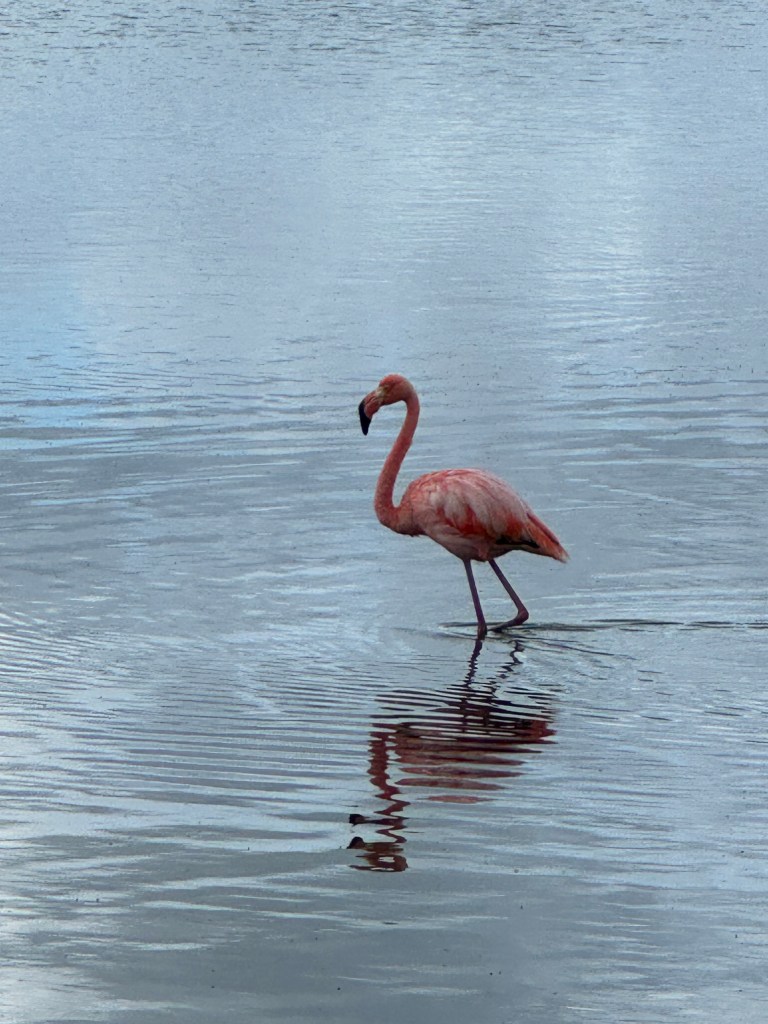
- Flamingos: We saw the most at Goto Lake and Washington-Slaagbai National Park. When driving around it, we pulled over and sat on the shoulder and watched them fishing with their heads in the water. We were charmed by their honks and bright color. But we also saw them in many other random places around the island.
- Pastechi- Fried dough pockets filled with cheese and other goodies. We loved the food truck that sold them fresh in the mornings. Always a wait, always worth it.
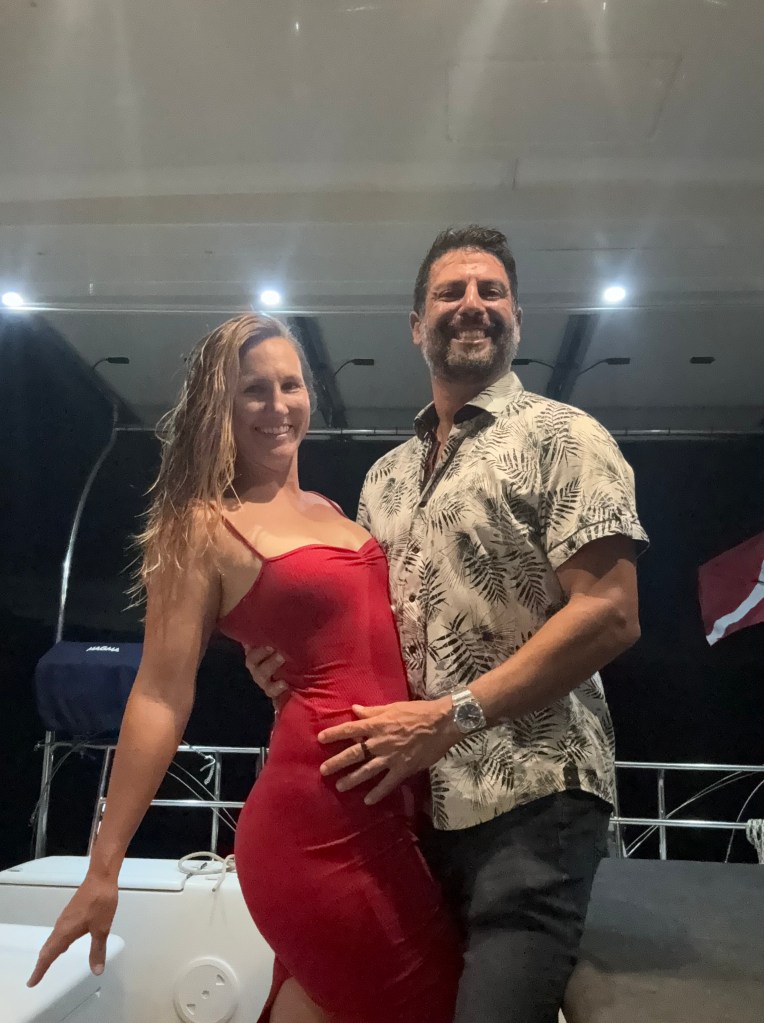
After a 10 day stay in Bonaire, Paul and I sailed back Curacao (me , sick with food poisoning, and little help) to pick up our buddy Craig and to prepare to cross the Caribbean Sea to reach St Martin (which is what we are currently doing as I write this).
More soon on our last days in Curacao (cliff jumping, a rare flamingo sighting, wild pigs, the old market), our preparations for our longest crossing (shopping, checking out, stowing) and the short hours between watches spent reading, dolphin watching, cooking and snacking.
Happy November! We should be arriving in St Martin in 3-ish more days.
Love, Lindsay-Paul-(and guest sailor Craig).
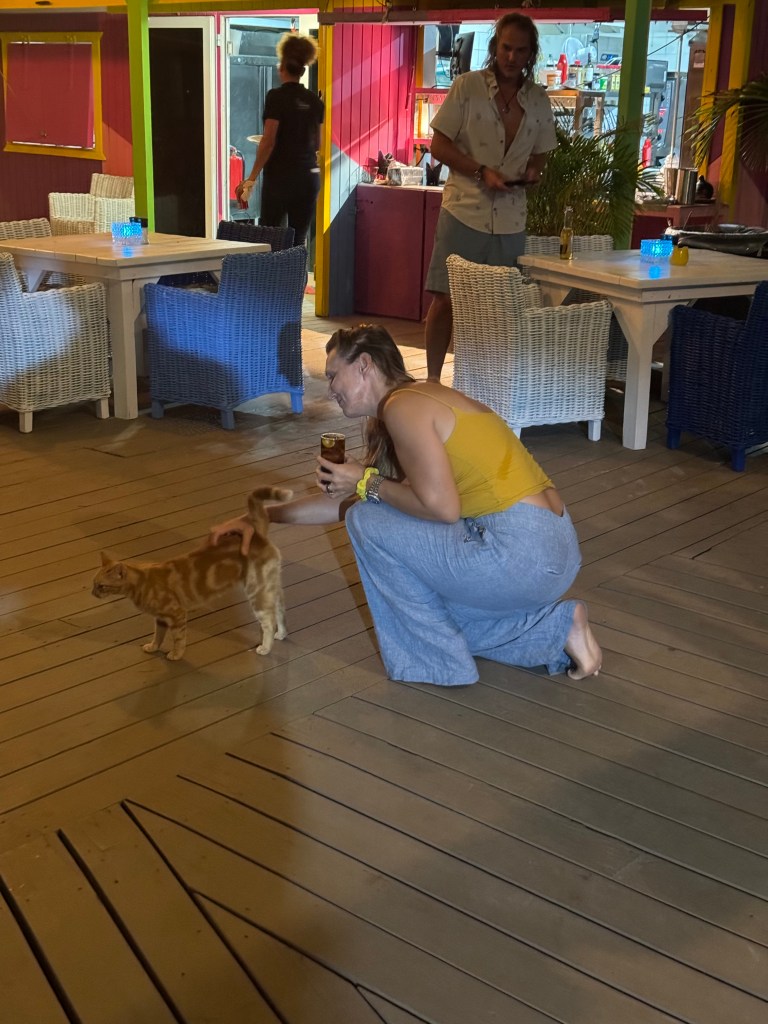


 TIBURON MARINO